
TL;DR: The David Sheldrick Elephant Orphanage is open just one hour per day, from 11am to 12 noon, and advance booking is required. Entry is $15 for adults and $5 for children, plus the Nairobi National Park gate fee. You will need to access it via the KWS Mbagathi Gate on Magadi Road. Book through sheldrickwildlifetrust.org before your visit.
About the David Sheldrick Wildlife Trust
The David Sheldrick Wildlife Trust was established in 1977 by Dame Daphne Sheldrick in memory of her husband David, a founding warden of Tsavo National Park. The organization runs the world’s most successful elephant orphan rescue and rehabilitation programme. Orphaned baby elephants from across Kenya are brought to the Nairobi nursery, cared for, and eventually reintegrated into wild herds in protected areas.
The trust has raised over 300 orphaned elephants since its founding, and the programme is considered a gold standard for elephant conservation worldwide. A visit to the orphanage is not just a tourist experience. It is a direct encounter with one of the most important wildlife conservation efforts in Africa.
The Mission: Rescue and Rehabilitation
Most of the elephants at the nursery have been orphaned due to poaching, drought, human-wildlife conflict, or accidental separation from their herds. When an orphaned calf is reported, the trust deploys rescue teams anywhere in Kenya to retrieve it. The youngest calves, some just days old, require around-the-clock care from dedicated human keepers.
The keepers at the Nairobi nursery act as surrogate family for the calves, sleeping beside them in the stables and providing constant reassurance. It is an intense commitment, but it is necessary. Elephants are deeply social animals, and without companionship and security, orphaned calves will not survive.
The rehabilitation process takes years. After the nursery phase in Nairobi, elephants move to reintegration centres at Tsavo and Kibwezi, where they gradually learn to live alongside wild elephants and eventually return to the wild permanently. The full process can take a decade or more.
What You Will See During Your Visit
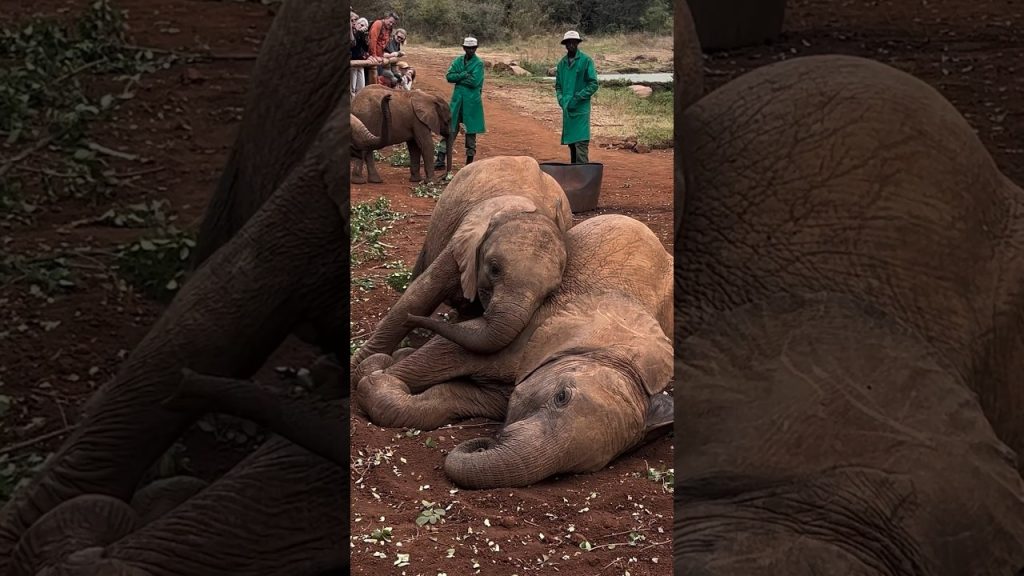
Visitors are admitted once a day for a one-hour window from 11am to 12 noon. During this time, you watch as the keepers bring the elephants out for their midday mud bath and feeding. The calves are remarkably playful, charging around, splashing in the mud, and jostling each other in a way that is both endearing and entertaining.
The keepers give a commentary throughout the visit, explaining the background of each elephant, how it came to be at the orphanage, and what stage of rehabilitation it is at. It is genuinely moving to hear these stories and see the care that goes into each animal.
Photography is permitted, and the setting provides excellent photo opportunities. The elephants come very close to the viewing area, and the mud bath is a particularly photogenic moment. There is also a gift shop, and purchasing items here directly supports the trust’s conservation work.
How to Book and Entry Fees
Advance booking is mandatory for the David Sheldrick Elephant Orphanage. You cannot simply turn up on the day. Book through the official website at sheldrickwildlifetrust.org. Entry costs $15 for adults and $5 for children under 12. The orphanage is closed on Christmas Day.
In addition to the orphanage entry fee, you must also pay the Nairobi National Park gate fee, as the orphanage is located inside the park boundary. Non-resident adults pay USD $80 and children pay $40 for the park. Plan your budget accordingly, and note that park fees are cashless, so bring a Visa or Mastercard.
Getting There
The orphanage is accessed via the KWS Mbagathi Gate on Magadi Road, not the main Nairobi National Park entrance on Langata Road. This is an important detail to get right, as the two entrances are on opposite sides of the park. Your Uber or taxi driver should know the Mbagathi Gate, but confirm the destination before setting off.
A shuttle service runs from the Mbagathi Gate to the orphanage between 10:15am and 11:30am. If you are driving yourself or arriving by taxi, aim to be at the gate by 10:30am at the latest to ensure you make the shuttle and are in position before the viewing starts at 11am.
Tips for Your Visit
Book your tickets as early as possible, ideally several weeks in advance. The orphanage has limited visitor capacity and slots fill up quickly, especially during peak tourist season (July to October). Do not assume you can book a day or two before your visit.
Wear comfortable, casual clothing. The viewing area is outdoors and you will be standing for the full hour. There is a wheelchair accessible viewing area available. Bring sunscreen and a hat, as the viewing area receives full sun. The mud bath can occasionally splash, so do not wear your best clothes.
Combine your orphanage visit with a morning game drive in Nairobi National Park. Arriving at the park at 6am for a game drive and then attending the orphanage at 11am makes for a superb full morning of wildlife experiences. The Giraffe Centre in Lang’ata can be added in the afternoon to complete a full wildlife day.
Book Your Nairobi Stay
Hotel Ambassadeur Kenya puts you right in the heart of Nairobi at great value. Check availability and book your room here.
Photos of Hotel Ambassadeur


See more photos on Booking.com →
Affiliate disclosure: we may earn a commission if you book through this link.
Frequently Asked Questions
Do you need to book the elephant orphanage in advance?
Yes, advance booking is mandatory for the David Sheldrick Elephant Orphanage. Walk-in visitors are not admitted. Book through sheldrickwildlifetrust.org, and aim to book at least two to three weeks before your visit during peak season, as slots fill quickly.
How much does it cost to visit the elephant orphanage?
Entry to the orphanage costs $15 for adults and $5 for children under 12. You also need to pay the Nairobi National Park entry fee to access the site: USD $80 for non-resident adults and $40 for children. Park fees are cashless, so bring a Visa or Mastercard.
What time does the elephant orphanage open?
The orphanage is open to the public from 11am to 12 noon only, once per day. This is the only viewing window available. A shuttle from the Mbagathi Gate runs from 10:15am. You should aim to be at the gate by 10:30am at the latest.
How do I get to the elephant orphanage from Nairobi city centre?
Take an Uber or taxi to the KWS Mbagathi Gate on Magadi Road. This is a different entrance from the main Nairobi National Park gate on Langata Road. The journey from the city centre takes approximately 25 to 40 minutes depending on traffic.
Can you touch the elephants at the orphanage?
Visitors watch the elephants from a designated viewing area rather than interacting directly with them. The elephants do come very close to visitors during the mud bath, and there can be moments of close proximity, but direct touching is not part of the standard visit. The keepers interact with the elephants throughout the viewing.
Is the elephant orphanage worth visiting?
Yes, it is one of the most moving and memorable wildlife experiences in Kenya. Watching orphaned baby elephants in their mud bath, hearing their individual stories, and understanding the scale of the conservation work being done makes this a visit with real depth. It is consistently one of the highest-rated attractions in all of Nairobi.